
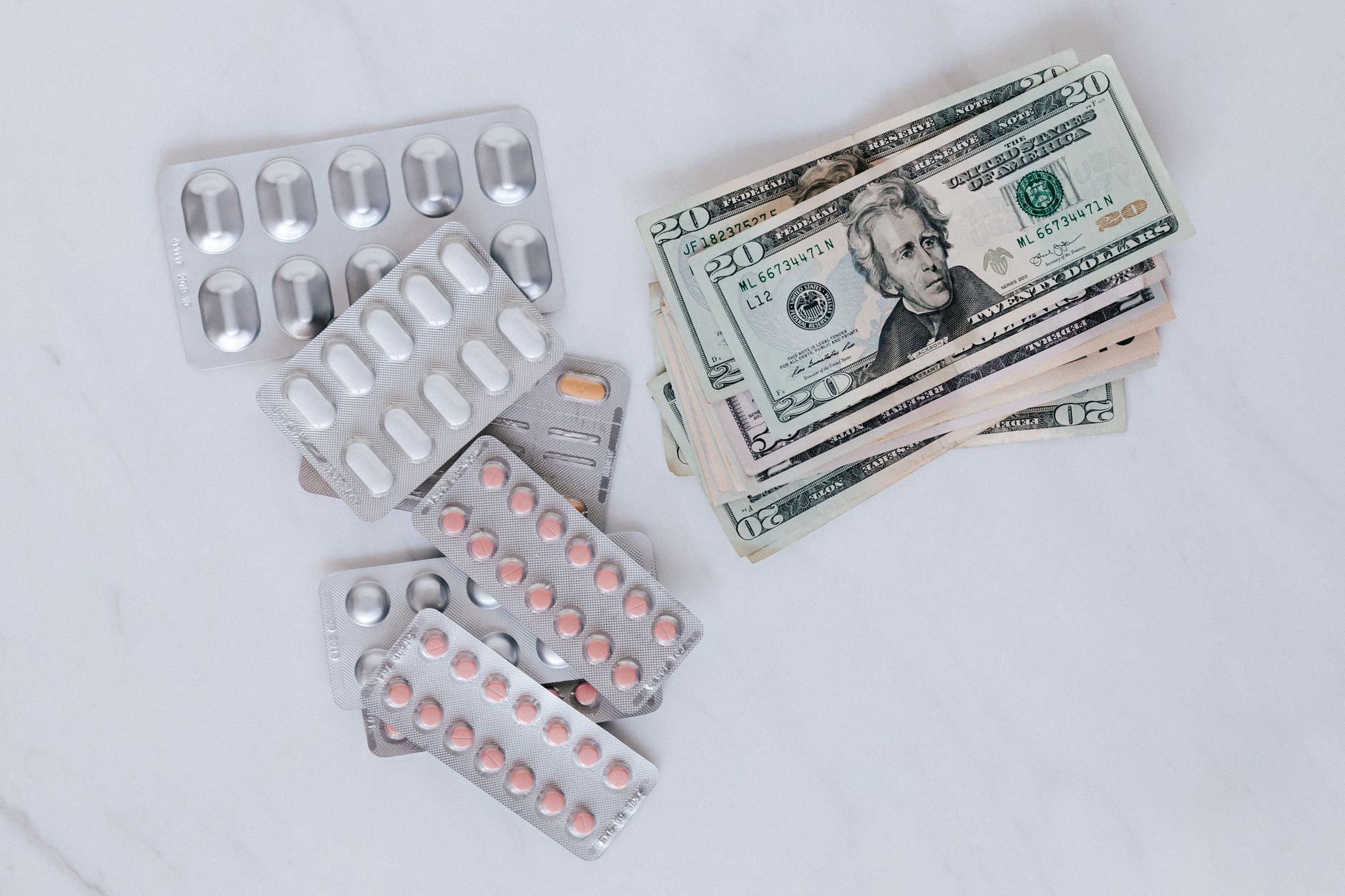
drug prices increase has become a pressing issue, as AIIMS Bhopal recently bought a ₹14 tube for ₹943. This staggering 6500% rise raises questions about pricing in the pharmaceutical industry.
Understanding the Drug Prices Increase
The recent revelation from AIIMS Bhopal regarding a staggering 6500% rise in drug prices has raised significant concerns among healthcare professionals and patients alike. The hospital reportedly purchased a tube of medication for ₹943, a product that originally costs only ₹14. This dramatic increase has sparked discussions on the factors contributing to the overall trend of drug prices increase.
Several key elements appear to be influencing this unsettling phenomenon:
- Manufacturing Costs: Rising costs of raw materials and production processes can lead to higher prices for consumers.
- Supply Chain Issues: Disruptions in the supply chain can lead to scarcity, causing manufacturers to inflate prices.
- Market Monopoly: A lack of competition in the pharmaceutical industry can result in price hikes as companies exploit their dominance.
- Regulatory Factors: Changes in government policy or regulations can also impact drug pricing structures.
As discussions continue, it is crucial for stakeholders to engage in dialogue to understand the complexities behind the drug prices increase and work towards sustainable solutions that ensure affordability for all patients.
Reasons Behind the 6500% Price Hike
Recent reports have highlighted a shocking increase in drug prices, with some medications seeing a steep rise of up to 6,500%. This dramatic escalation has raised eyebrows and prompted questions about the underlying reasons for such price hikes.
Several factors contribute to the rising drug prices, including:
- Manufacturing Costs: Fluctuations in raw material prices and manufacturing expenses can lead to significant increases in the final cost of medications.
- Regulatory Changes: New regulations and compliance requirements can add to the operational costs for pharmaceutical companies, which are often passed on to consumers.
- Market Dynamics: A lack of competition in certain drug markets allows manufacturers to set higher prices without fear of losing customers.
- Research and Development: The high costs associated with R&D for new drugs can lead companies to increase prices for existing medications to recoup their investments.
- Supply Chain Disruptions: Events such as natural disasters or global pandemics can interrupt supply chains, causing shortages and driving prices up.
As these factors intertwine, the impact on consumers is profound, raising serious concerns about access to essential medications in an increasingly challenging healthcare landscape.
Impact of Drug Prices on Patients
The recent increase in drug prices has raised significant concerns among patients and healthcare professionals alike. As prices soar, many individuals find themselves struggling to afford essential medications that were once reasonably priced. This dramatic rise in costs, exemplified by the staggering 6500% increase in some cases, has profound implications for patient care and public health.
For many patients, the impact of soaring drug prices is felt in various ways:
- Medication Adherence: Patients may skip doses or stop taking their medications altogether due to unaffordable costs, leading to worsened health outcomes.
- Financial Strain: High drug prices force families to make tough choices, often sacrificing other essential needs, such as food and housing, to afford necessary treatments.
- Increased Healthcare Costs: When patients forgo medications, it can result in more severe health issues that require expensive emergency care, ultimately driving up overall healthcare costs.
- Health Disparities: Low-income individuals and marginalized communities are disproportionately affected by rising drug prices, exacerbating existing health inequalities.
Understanding the impact of drug prices on patients is crucial in addressing the broader issues surrounding the healthcare system.
Government Regulations on Pharma Pricing
The recent surge in drug prices has raised significant concerns among healthcare advocates, with the government regulations on pharma pricing coming under scrutiny. Critics argue that a lack of stringent regulations has allowed pharmaceutical companies to set exorbitant prices for essential medications.
In an examination of the factors contributing to the rising costs, several key issues are highlighted:
- Market Monopoly: Many companies hold exclusive rights to produce specific medications, leading to a lack of competition. This monopoly often results in inflated prices.
- Regulatory Framework: Current government regulations may not adequately address price-setting practices, allowing companies to justify significant increases without consequence.
- Research and Development Costs: While companies argue that high drug prices are necessary to cover R&D expenses, critics suggest these claims are often exaggerated.
- Transparency Issues: There is a pressing need for clearer guidelines regarding pricing structures, as many patients are left in the dark about why drug prices increase so dramatically.
With the recent report indicating a staggering 6500% rise in certain drug prices, it is essential for lawmakers to reassess existing regulations and ensure that patients have access to affordable medications.
The recent surge in drug prices increase has left many consumers wondering about the underlying factors driving this unprecedented rise. Experts suggest that a combination of regulatory changes and market dynamics may be contributing to the drug prices increase that we are witnessing today.
Photo by https://kaboompics.com/ on Pexels