
Why Should Homeowners Consider Energy Efficiency When Choosing Loft Access?
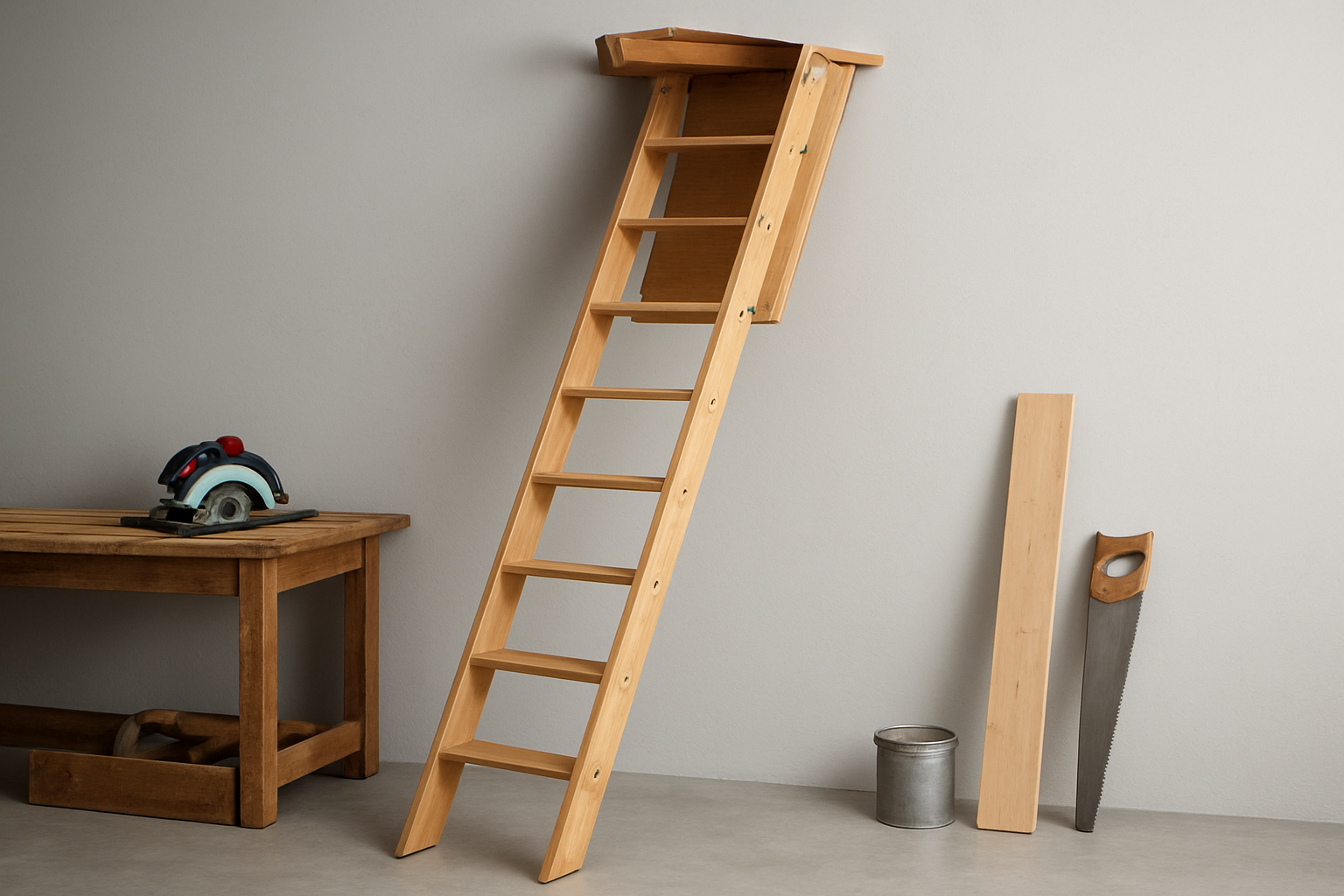
Energy-conscious home improvements often begin with major upgrades, but smaller building details also deserve attention. Loft access is one example because the ceiling opening connects a heated living environment with a space that may experience substantially different temperatures. A wooden loft ladder offers a practical access option, while its relatively low thermal conductivity makes timber an interesting material for homeowners considering the thermal characteristics of their interior fittings.
Does Timber Help Maintain Indoor Comfort?
Wood transfers heat less readily than many common metals under comparable conditions. This characteristic can make timber appealing for loft access installations where material selection, appearance, and everyday usability are important.
Nevertheless, indoor comfort depends on the complete building assembly rather than the ladder alone. Heat can still escape through an inadequately insulated hatch or through gaps around its frame. Effective insulation and draught-proofing remain essential for maintaining consistent indoor temperatures.
How Can Loft Hatch Design Influence Energy Consumption?
The loft hatch is often more significant to thermal performance than the ladder attached to it. If the hatch lacks sufficient insulation, it may allow unwanted heat transfer between rooms and the loft.
An appropriately insulated cover helps create a stronger barrier. Weatherstripping around the opening can reduce air leakage when the hatch closes securely. Together, these features may reduce unnecessary heating demand during colder periods and help maintain more comfortable living spaces.
Homeowners should inspect the hatch for visible gaps, damaged seals, and poor alignment before deciding which improvements are necessary.
Can Convenient Access Encourage Better Home Management?
A reliable ladder makes it easier to reach stored belongings, inspect insulation, and carry out routine maintenance. This accessibility can support responsible property management because homeowners can identify problems before they develop into more significant concerns.
For example, regular loft inspections may reveal displaced insulation, signs of moisture, or air leakage around service openings. Addressing these issues can help preserve building performance. Safe access is therefore valuable not only for storage but also for maintaining the home’s energy-conscious features.
What Should Buyers Check Before Installation?
Several practical considerations should guide the selection process. These include ceiling height, available opening dimensions, ladder folding space, construction quality, and safe working load.
Timber components should be suitable for the expected conditions and maintained according to the manufacturer’s instructions. The hatch must fit securely without interfering with surrounding insulation or ventilation arrangements.
Professional installation can help ensure that the ladder operates smoothly while the hatch continues to provide an effective thermal barrier.
How Does Routine Care Protect Performance?
Regular maintenance helps prevent mechanical problems that could affect hatch closure. Homeowners should check hinges, locking mechanisms, fasteners, and the condition of the timber. Any signs of movement or deterioration should be investigated before continued use.
Weather seals may also require replacement when they become compressed, damaged, or ineffective. Maintaining a close fit around the hatch helps control unwanted airflow, although it should never interfere with ventilation systems designed to manage moisture elsewhere in the property.
Is This a Practical Long-Term Improvement?
A wooden ladder can combine accessibility, durability, and a natural interior finish. Its contribution to energy efficiency is indirect and depends on the quality of the surrounding installation.
For the strongest outcome, homeowners should prioritise hatch insulation, airtight sealing, suitable ladder dimensions, and correct fitting. These improvements work together to support thermal comfort and reduce avoidable energy waste.
Considering all these factors helps homeowners choose loft access that meets everyday needs while supporting a more efficient and carefully maintained home.
Key Points
- Loft access contributes to energy efficiency by connecting heated living spaces with areas that may have different temperatures.
- Timber, due to its low thermal conductivity, is a favorable material for loft access installations, but overall indoor comfort relies on complete building assembly, not just the ladder.
- An inadequately insulated loft hatch can result in unwanted heat transfer, making hatch insulation and weatherstripping essential for energy conservation.
- Convenient access to the loft via a reliable ladder enables homeowners to regularly inspect insulation and identify potential issues, improving home management.
- Considerations for installing loft access should include ceiling height, hatch fit, ladder folding space, and professional installation to ensure effective thermal performance.
- Regular maintenance of loft access components, including checking seals and hinges, is necessary to maintain performance and control unwanted airflow.