
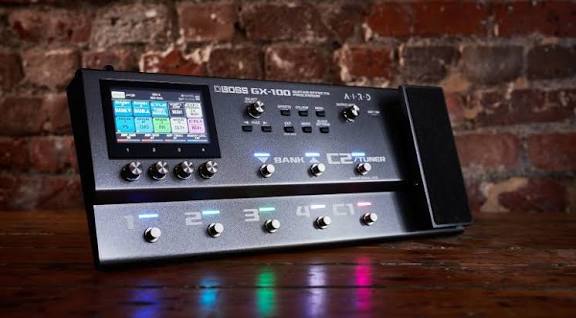
Every guitarist chasing a heavy, aggressive tone eventually reaches a crossroads: the gear. The cabinet roars, the strings are tuned low, and the pickups are dialed in—but something is still missing. That missing piece is often the amplifier. Choosing the right Slam Amp can be the difference between a tone that cuts through the mix and one that gets buried under it. This guide walks you through the key considerations, features, and questions you should be asking before making your decision.
What Makes an Amplifier “Aggressive” in Tone?
Aggressive guitar tones are built on a foundation of tight low-end response, controlled midrange, and a high-gain preamp stage that doesn’t smear the note definition. A standard clean amp won’t deliver this. You need an amplifier specifically engineered to handle the demands of modern heavy music—whether that’s djent, death metal, hardcore, or progressive metal.
The term “aggressive tone” isn’t just about volume or distortion. It refers to the transient response of the amplifier, how quickly it reacts to your picking attack, and how well it retains note clarity even at high-gain settings. An amp that compresses too heavily will lose that punchy, percussive quality that makes rhythm guitar sound devastating.
What Preamp Topology Should You Look For?
The preamp stage is where your tone is shaped before it ever reaches the power amp. For aggressive sounds, you want a preamp that offers multiple gain stages with enough headroom to push into saturation without losing note articulation.
Tube preamps remain a standard for warm, organic distortion that responds dynamically to picking intensity. However, solid-state and hybrid preamp designs have gained significant ground in modern heavy music, largely because they offer tighter, more consistent gain structures—especially for down-tuned guitars.
When evaluating preamp topology, ask yourself:
Does the gain structure stay tight at extreme settings?
Does the amplifier handle low-frequency content without becoming muddy?
Is there enough tonal shaping available through the EQ section?
A three-band EQ is the minimum you should consider. More flexible options include a presence control and a resonance knob, both of which dramatically affect how the amplifier interacts with your cabinet and the room.
How Does Wattage Affect Aggressive Guitar Tones?
Wattage is one of the most misunderstood specifications in guitar amplification. Higher wattage does not automatically mean better tone—it means more headroom before the power amp begins to saturate.
For aggressive, tight rhythm tones, higher wattage amplifiers are often preferred because the power amp stays cleaner, letting the preamp do all the heavy lifting in terms of distortion character. This results in a more consistent, controlled sound across different volume levels.
Lower wattage amplifiers, on the other hand, can sound compressed and saturated at moderate volumes—which some players prefer for certain styles. The trade-off is that this compression can reduce pick attack clarity in dense, fast-paced playing scenarios.
Why Does Speaker Cabinet Pairing Matter So Much?
An amplifier head is only half of the equation. The cabinet you pair it with will shape your final tone just as significantly as the amp itself. For aggressive sounds, cabinet choice comes down to speaker sensitivity, speaker cone material, and cabinet construction.
Closed-back cabinets are widely favored for heavy music because they produce a tighter, more focused low-end response. Open-back designs allow more air movement and create a more diffuse, open sound—excellent for clean tones, but less ideal for the punchy, defined attack required in modern heavy guitar playing.
Speaker sensitivity also plays a role. Higher sensitivity speakers respond more dynamically to transients, which translates to a more defined pick attack through the amplifier.
What Tone Controls Should a Heavy Amp Offer?
Beyond the standard bass, mid, and treble controls, several tonal features can significantly impact your aggressive sound:
Presence Control: This adjusts upper-midrange and high-frequency content after the power amp section. Increasing presence can add clarity and cut to your tone, helping it sit in a dense mix.
Resonance Control: This operates in the low-frequency range of the power amp’s feedback loop. A higher resonance setting adds weight and thickness to the low-end, while a lower setting keeps things tighter and more defined.
Gain Structure and Channels: Many modern amplifiers designed for heavy music offer dedicated high-gain channels with independent EQ sections. This flexibility allows you to maintain a clean or rhythm tone on one channel while accessing extreme saturation on another without any tonal compromise.
How Do You Match an Amplifier to Your Playing Style?
Not all aggressive tones are the same. Palm-muted, down-tuned rhythms demand a different amplifier response than fast, technical lead playing. Before committing to any amplifier, consider your primary playing style.
If your music relies heavily on rhythmic precision and low-tuned riffing, prioritize tightness in the low-end and midrange focus. If your playing leans toward melodic leads and expressive phrasing, a touch more compression and harmonic complexity in the gain structure will serve you better.
Live playing versus studio recording also influences your decision. Amplifiers that sound enormous in a room don’t always translate well to a microphone. Conversely, some amplifiers that appear modest in person can produce extraordinary recorded tones.
Is It Worth Considering a Solid-State or Modeling Amplifier?
Modern solid-state and digital modeling amplifiers have closed the gap with traditional tube designs in ways that were unthinkable a decade ago. For players who tour frequently, the reliability and consistency of solid-state technology is a practical advantage. Tube amplifiers require ongoing maintenance, and power tubes degrade over time, subtly shifting the character of your tone.
Digital modeling platforms offer a different kind of flexibility—access to a broad range of amplifier simulations, impulse response cabinet loading, and direct recording capability without the need for a physical speaker cabinet. For players working in project studios or home recording environments, this approach can be highly efficient.
The right choice depends on your specific workflow. Neither format is inherently superior—each has legitimate strengths that suit different players and contexts.
What Are the Most Frequently Asked Questions About Choosing an Amp for Heavy Guitar?
Does tube type affect aggressive tone?
Yes. Different tube types impart distinct tonal characteristics. Some produce a smoother, more compressed distortion, while others deliver a more open, dynamic response. The choice of preamp and power tubes influences the overall character of your gain structure considerably.
Can a low-gain amplifier be modified to produce aggressive tones?
Some amplifiers can be modified by qualified technicians to increase gain and tighten the response. However, this approach carries risk if not executed correctly and may void manufacturer warranties. In most cases, selecting an amplifier designed for high-gain applications from the outset is a more reliable path.
How important is the effects loop?
For players using time-based effects such as delay and reverb, a serial or parallel effects loop is important. It allows these effects to be inserted after the preamp’s distortion stage, preserving clarity and preventing the effects from interacting with the gain structure in undesirable ways.
What impedance should I match between the amplifier and cabinet?
Mismatched impedance can damage the output transformer of a tube amplifier. Always match the amplifier’s output impedance to the cabinet’s rated impedance, or use an impedance-matching device if running multiple cabinets.
Finding the Amp That Serves Your Sound
Choosing an amplifier for aggressive guitar tones is not a decision that should be rushed. The amplifier defines the character of your sound at a fundamental level—everything else in your signal chain responds to it. Take time to evaluate preamp topology, gain structure, EQ flexibility, and cabinet compatibility before making your final decision.
The most effective approach is to test amplifiers in conditions that replicate your actual playing environment as closely as possible. Studio and stage conditions differ significantly, and an amplifier that impresses in a quiet showroom may behave entirely differently when pushed at volume alongside a full band. Trust your ears, prioritize function over aesthetics, and choose the amplifier that genuinely serves your musical goals.