
Understanding the Landscape of Short Term Senior Rehab
What is Short Term Rehab and Who Needs It?
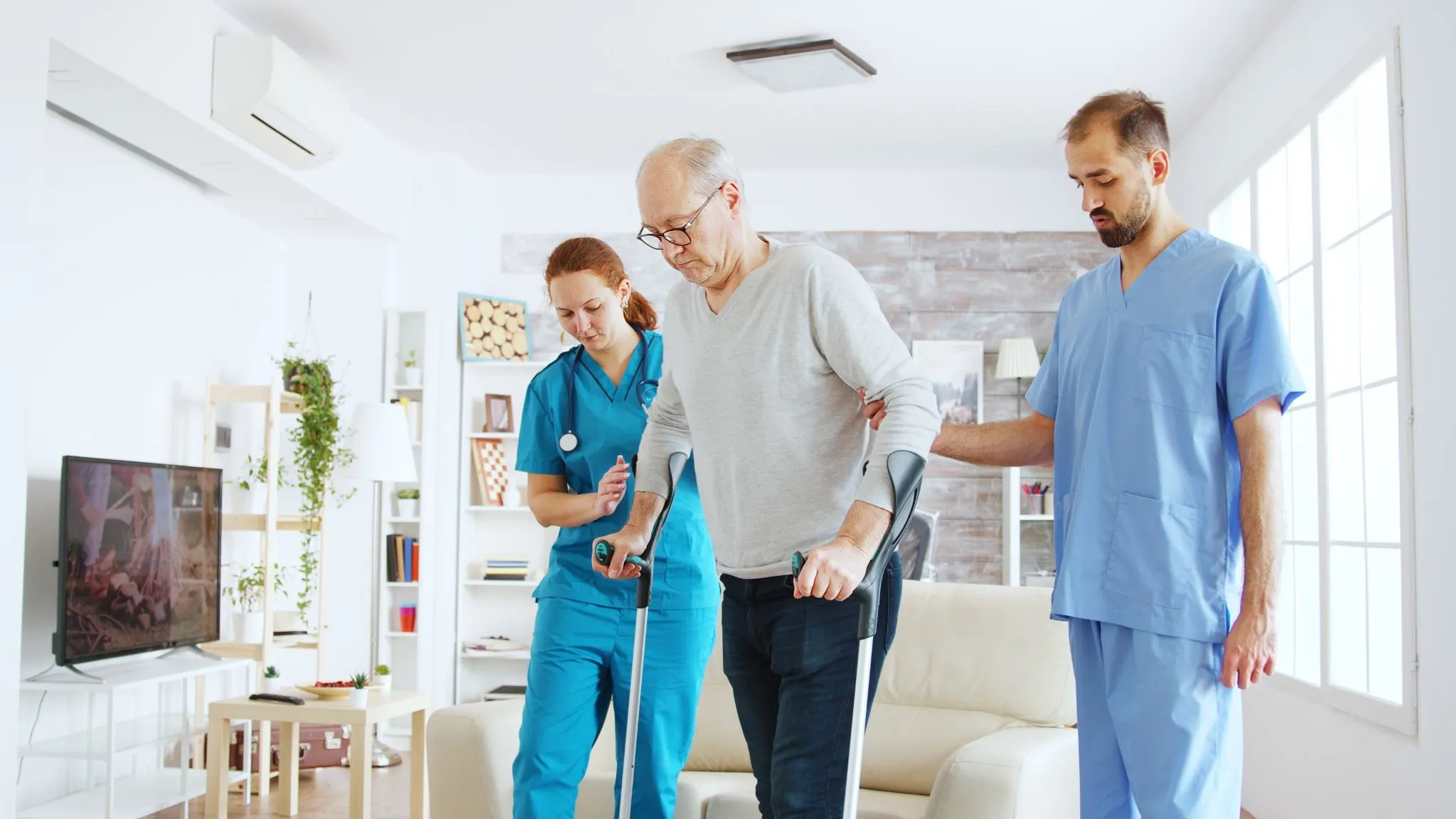
Short term rehabilitation, often referred to as short-term rehab or short term senior rehab, is a specialized form of healthcare designed to provide intensive therapy and support for seniors recovering from surgery, injury, illness, or a hospital stay. These programs typically last from a few days to several weeks, depending on each individual’s condition and recovery goals. Short term senior rehab is especially beneficial for older adults who are expected to make meaningful progress within a limited timeframe, such as those recovering from hip or knee replacements, strokes, cardiac events, or other conditions that affect mobility and daily functioning.
Understanding who benefits most from short term senior rehab is essential for families and caregivers. Seniors who have experienced falls, worsening chronic conditions due to sudden health events, or a decline in strength and independence after hospitalization are often ideal candidates. The goal of short term senior rehab extends beyond physical recovery—it also focuses on improving cognitive and emotional well-being through personalized therapy plans tailored to each individual’s unique needs.
The Evolution of Rehabilitation: From Traditional to Modern Approaches
The field of rehabilitation has undergone transformative changes over the past few decades. Traditional rehab often focused on basic physical restoration through repetitive exercises and passive treatments. However, with advances in medical research and understanding of holistic health, modern rehabilitation now emphasizes a more integrated approach. This includes using evidence-based practices that involve tailored therapy plans, innovative technologies, and a multi-disciplinary approach to care.
Modern approaches also recognize the value of mental and emotional support in recovery. Techniques such as motivational interviewing and cognitive-behavioral therapy are now incorporated into rehab settings, helping clients not only regain physical strength but also improve their mental health during recovery. Moreover, the use of technology, such as telehealth services and digital compliance tracking, has been adopted to ensure patients receive ongoing support from healthcare professionals, even when they are not physically in the rehab facility.
Key Differences Between Short Term and Long Term Rehabilitation
The primary distinction between short term and long term rehabilitation lies in their duration and focus. Short term rehab is typically intensive and fast-paced, designed to deliver immediate results over a shorter time frame. It is almost always conducted in a facility such as a skilled nursing center or an inpatient rehabilitation hospital, where resources and staff are readily available to address critical recovery needs. The goal is clear-cut: to stabilize and restore functional independence quickly.
Conversely, long term rehabilitation encompasses a much broader scope of recovery, often extending beyond six months. It is more suited for patients with chronic conditions or severe disabilities that require ongoing therapy and support over time. Long term rehabilitation programs focus on incremental progress, sustainability, and integration into day-to-day life. In some cases, long term rehab may occur in specialized centers, while others may receive care in their own homes, aided by home healthcare professionals. This care model emphasizes gradual improvement and aims to enhance quality of life rather than solely recovery.
Navigating the Rehabilitation Process: A Step-by-Step Guide
Preparing for Rehab: Initial Assessments and Planning
The journey through rehabilitation begins long before a senior enters a facility. An initial assessment is crucial to determine the appropriate level of care required and to create a customized rehabilitation plan. During this assessment, healthcare professionals will evaluate the individual’s medical history, current health conditions, physical abilities, and mental status. This comprehensive evaluation may also include input from family members to ensure the rehab plan aligns with the individual’s goals and lifestyle.
Following the initial assessment, a multidisciplinary team usually creates a personalized rehab plan that outlines specific therapeutic interventions, measurable goals, and timelines. This plan should consider not only physical rehabilitation needs but also address social and emotional factors, such as the individual’s living environment, family dynamics, and personal aspirations. In some cases, technology may be utilized to facilitate ongoing monitoring, allowing healthcare professionals to adjust the plan as needed to better suit the patient’s evolving recovery journey.
Setting Realistic Goals: What to Aim for in Short Term Rehab
Setting realistic goals is a vital component of the rehabilitation process, especially in a short term rehab context where time is of the essence. Goals should be Specific, Measurable, Achievable, Relevant, and Time-bound (SMART), allowing patients to understand their trajectory and maintain motivation throughout their rehabilitation journey. Common goals for seniors in short term rehab may include regaining the ability to walk independently, performing activities of daily living (ADLs) such as bathing and dressing without assistance, or achieving pain management levels that enable better participation in therapeutic activities.
Moreover, family input can be an essential component during the goal-setting phase. Involving family members ensures that goals are aligned with the individual’s needs and preferences, leading to enhanced cooperation and commitment throughout the recovery process. By breaking down larger goals into smaller, achievable milestones, seniors can experience incremental victories that bolster their confidence and encourage further progress.
How to Choose the Right Facility: Factors to Consider
Selecting the right rehabilitation facility is critical for ensuring a successful recovery. Families should consider several key factors before making a decision. First, evaluate the reputation of the facility by reviewing online ratings and testimonials, or seeking recommendations from healthcare providers and peers who have experience in similar situations.
Next, assess the facility’s range of services and specialties. Some centers may excel in specific areas such as orthopedic rehabilitation, while others might have stronger programs for cardiac recovery or neurological rehabilitation. Additionally, consider the availability of modern technology and equipment, as well as the mix and qualifications of the staff, including physical and occupational therapists, nursing personnel, and support staff.
Another vital aspect is the facility’s approach to personalized care. A center that focuses on individual needs and employs a multidisciplinary team can offer a comprehensive and tailored recovery plan, significantly enhancing outcomes. Finally, consider the facility’s location, visiting hours, and overall atmosphere, as families can play an important role in the recovery process, and being nearby can facilitate better support and communication.
The Role of Therapy Techniques in Enhancing Recovery
Physical Therapy Innovations: Techniques That Transform Lives
Physical therapy is a cornerstone of short term rehabilitation, employing various innovative techniques designed to restore physical function, mobility, and strength. Contemporary physical therapy methods often incorporate advanced technologies such as robotic-assisted rehabilitation devices and virtual reality systems, which have shown to enhance patient engagement and motivation while improving adherence to therapy protocols.
Furthermore, manual therapy techniques, aquatics therapy, and therapeutic exercises tailored to each individual’s recovery goals are commonly utilized. Utilizing evidence-based practices ensures that therapists can provide the most effective interventions, significantly improving recovery outcomes. Additionally, gait training and balance exercises help seniors rebuild confidence in their movements, crucial for preventing falls and further injuries.
Occupational Therapy: Empowering Independence in Daily Activities
Occupational therapy (OT) is equally important in short term rehab, primarily focusing on enabling seniors to regain the ability to perform daily activities independently. Occupational therapists assess the patient’s fine motor skills, cognitive abilities, and environmental challenges, customizing strategies to enhance their skills in everyday tasks. For instance, OT may involve practical training in self-care routines such as grooming, cooking, and managing household chores, which translates to improved quality of life.
OT also involves educating both the patient and their family members about adaptive techniques that can facilitate easier engagement with daily life. Innovations in assistive technology such as smart home devices, mobility aids, and customized utensils are often incorporated into therapy plans to further empower individuals. By supporting the patient in adapting to their environment and fostering independence, occupational therapy is key to successful rehabilitation.
Complementary Therapies: The Benefits of Holistic Approaches
Complementary therapies have gained recognition in the realm of rehabilitation, adding an extra layer of support for seniors undergoing short term rehab. Techniques such as acupuncture, aromatherapy, massage, and mindfulness practices have shown promise in alleviating pain, reducing anxiety, and improving overall well-being. These therapies can address both physical and emotional health, bridging the often-neglected gap between mind and body.
Evidence suggests that integrating complementary therapies with conventional rehab can lead to enhanced patient satisfaction, reduced perceived levels of pain, and an overall positive impact on recovery times. These holistic approaches can also promote social interaction, boost morale, and improve emotional resilience during challenging times. By embracing a comprehensive approach that combines traditional practices with complementary techniques, healthcare providers can create a more engaging and supportive recovery environment.
Family Involvement: A Key Ingredient in Recovery Success
The Importance of Support Systems: How Family Plays a Role
Family support is an invaluable asset during the rehabilitation process. Emotional encouragement from loved ones significantly enhances a patient’s motivation and adherence to prescribed therapy, leading to better outcomes. Family members who actively participate in care planning, goal-setting, and ongoing support foster a sense of empowerment and motivation that can drive the recovery process forward.
Moreover, family involvement can facilitate continuity of care, ensuring that the patient’s progress is seamlessly communicated between the rehabilitation facility and the home environment. Training caregivers in effective communication techniques, mobility support, and safety precautions can help enhance the recovery experience and avoid complications after discharge.
Communicating with Healthcare Providers: Best Practices for Families
Effective communication between families and healthcare providers is foundational for successful rehabilitation. Families should feel confident in asking questions and expressing concerns regarding their loved one’s care. It is essential to have regular meetings with the rehabilitation team to ensure that everyone is on the same page regarding treatment plans, progress, and any changes to the rehabilitation objectives.
Creating a shared communication log or journal can help track daily progress and challenges faced during rehab. This proactive approach can streamline updates and ensure that all parties remain informed about the patient’s status. Additionally, families should inquire about resources available for ongoing support that can be tapped into even after their loved one returns home. Establishing a collaborative approach can result in more coordinated care and improved adherence to rehab protocols.
Beyond the Rehab Facility: Supporting Recovery at Home
Once rehabilitation is complete and the patient transitions home, continued support is essential to maintain progress and prevent setbacks. Families play a crucial role in fostering an environment that encourages independence, safety, and adherence to post-rehab goals. Adapting the home environment to meet the patient’s needs such as removing obstacles, installing grab bars, and ensuring easy access to essential items can significantly aid recovery and promote safer mobility.
Family members should also remain vigilant regarding the ongoing monitoring of health changes and behavioral shifts in their loved ones. Regular follow-up appointments with healthcare providers, adherence to prescribed exercise and safety regimens, and ongoing emotional support can further enhance the overall recovery experience post-rehab. By remaining hands-on and responsive, families can create a solid foundation for successful long-term recovery.